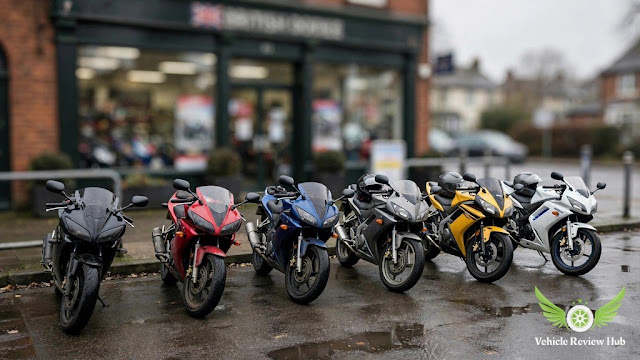

So, you want your first sportbike. Something that looks fast, feels exciting, but will not punish you for being a beginner. The Yamaha YZF-R125 is the bike almost every new rider in Europe ends up looking at — and for good reason. It is a 125cc machine with the styling of Yamaha’s bigger R-series bikes, modern tech, and running costs a student budget can live with. But is it the right first bike for you? This guide walks through what to check before you buy, new or used.
Who the YZF-R125 is really for
The R125 is built for riders who are starting out. In many countries you can ride a 125 on an A1 licence from age 17, and in some places on a CBT with L-plates. That makes it the natural first step into motorcycling: light enough to handle in traffic, forgiving enough to learn on, and stylish enough that you will not feel like you are riding a compromise.
It suits city riders best. If your daily ride is a commute through traffic, a trip to college or work, and the occasional weekend ride out of town, the R125 fits that life well. If you regularly ride long motorway stretches two-up, you will probably outgrow it quickly — and that is fine. A first bike is supposed to teach you, not be your last bike.
Engine and performance: what 125cc actually feels like
The R125 uses a 124.7cc liquid-cooled single-cylinder engine with variable valve actuation (VVA), producing around 15 horsepower — the maximum allowed for the A1 class. That number sounds small on paper, but on a bike that weighs around 140 kg, it is enough to keep up with city traffic, accelerate briskly away from lights, and cruise
comfortably at 60–70 mph.
What matters more than the headline figure is how the power is delivered. The VVA system gives the little engine two characters: strong low-end pull for pulling away in traffic, and a livelier top end when you open the throttle. For a beginner, that means the bike is easy to ride slowly without stalling, but still rewards you as your confidence grows. Fuel economy is another strong point — expect roughly 100 mpg or better with gentle riding, which means a full tank
can last a working week of commuting.
Handling, weight and seat height
This is where the R125 earns its reputation. At about 140 kg wet and with a seat height of around 825 mm, it is light and manageable. New riders often worry about dropping their bike at low speed, and a light bike with a narrow feel makes that far less likely. The upside-down front forks and linked monoshock rear give it proper sportbike handling, and the Deltabox frame is the same family of design Yamaha uses on its bigger R bikes.
Before you buy, sit on one. Can both feet reach the ground
comfortably? Can you push it around a car park without straining? If you are shorter, the seat height is worth checking in person — it is taller than some 125 rivals. A test sit costs nothing and tells you more than any spec sheet.
Brakes, tyres and safety tech
Modern R125s come with ABS as standard, which is a genuine safety net for a new rider. In a panic stop, ABS stops the wheels locking and keeps the bike upright — exactly the situation a beginner is most likely to get wrong. Check that the ABS light behaves normally on start-up and goes out once you roll forward.
Tyres matter more than most first-time buyers expect. Check the tread depth, the date code on the sidewall (tyres older than five years deserve a closer look), and any cracking or flat spots. Budget for a fresh set if the bike you are viewing is on worn or aged rubber — good tyres are the cheapest safety upgrade you can buy.
What to check on a used YZF-R125
Most first bikes are bought used, and the R125 is a popular one, so there are plenty out there. Use this checklist when you go to view one:
1. Service history.
2. Crash damage.
3. Chain and sprockets.
4. Cold start.
5. Electrics.
6. Ownership and paperwork.
If anything feels off, walk away. There will always be another R125 for sale.
Running costs: the honest numbers
A 125 is cheap to run, but “cheap” still needs a budget. Insurance is usually the biggest cost for a young rider, so get quotes before you buy — they vary wildly by age, location and storage. Road tax is low, servicing is simple (a single-cylinder engine means fewer parts and lower labour), and tyres and brake pads are inexpensive. Fuel, as noted, is minimal. The main cost to plan for is gear: a good helmet, jacket, gloves and boots are not optional, and buying them once, properly, is cheaper than replacing cheap gear twice.
New vs used: which makes sense?
Buying new gets you a warranty, the latest styling and no hidden history, but you will lose a chunk of value the moment you ride it away. Buying used — ideally a two- or three-year-old bike with a full history — gets you almost the same bike for much less money, and you will worry less about the first inevitable drop. For most first-time buyers, a careful used purchase is the smarter move. Whatever you choose, keep some money aside for insurance, gear and a first service.
The verdict
The Yamaha YZF-R125 is one of the best first sportbikes you can buy: it looks like a proper R-series machine, it is light and forgiving, it sips fuel, and it holds its value well when you are ready to move up. It is not the fastest bike on the road, and it is not trying to be — it is a bike that teaches you to ride well, and that is exactly what a
first bike should do.
If you want the full model-by-model detail before you decide, the complete Yamaha YZF-R125 buying
guide on Vehicle Review Hub covers specs, trim differences and what to pay.
Vehicle Review Hub publishes honest buying guides and reviews for cars, EVs, trucks, tractors and bikes, focused on helping first-time buyers choose with confidence. The team tests and compares real-world running costs, reliability and everyday usability across the USA, UK, Canada and Australia.


